
Heat Pump Cost in Ontario: 2026 Homeowner Guide

Written by Zack Laundrie | Licensed HVAC Technician, Durham Region | Updated on June 8, 2026
If you’ve started researching heat pumps, you’ve probably seen price ranges all over the place (anywhere from $4,000 to $20,000 depending on who you ask). That spread isn’t dishonest; it reflects real variation based on what system you need, what your home already has, and how thoroughly the job gets done. This guide breaks all of it down so you know what drives the number on your quote before anyone sets foot in your house.
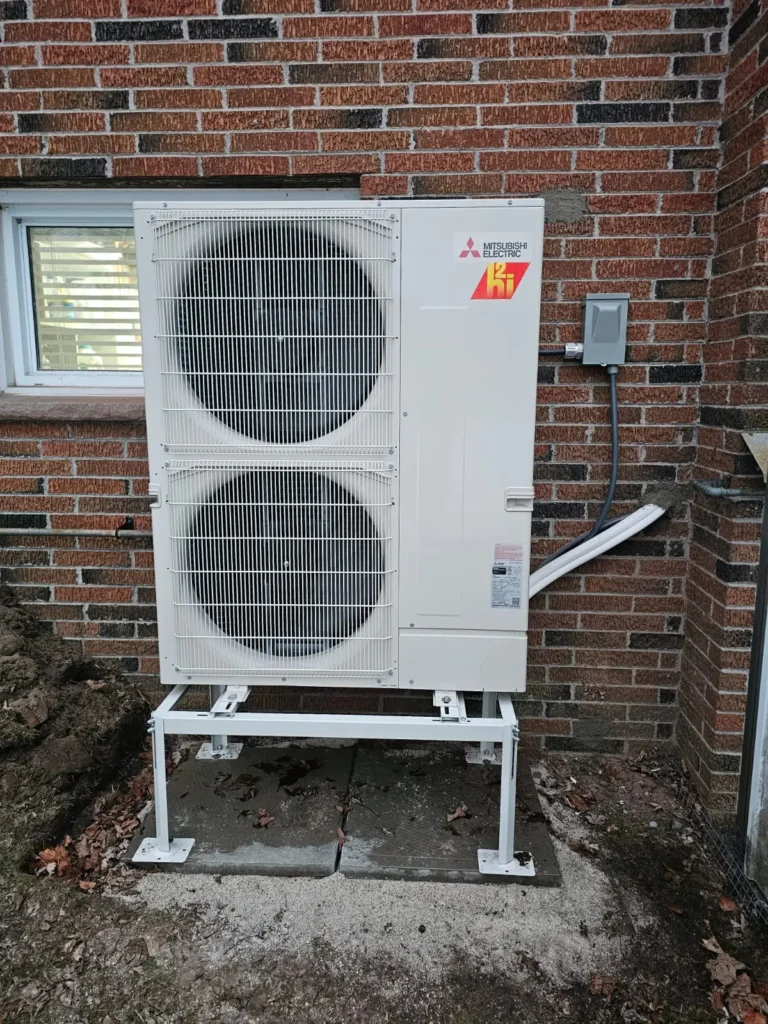
What You're Actually Paying For
A heat pump isn’t a single product; it’s a system, and the installed price reflects every component of that system working together. The equipment itself (the outdoor unit, the indoor air handler or ductwork connections, the thermostat) is only part of the cost. The rest covers the labour, the electrical work, any duct modifications, refrigerant line sets, code-compliant placement, and the commissioning at the end that confirms everything is actually running where it should.
That last piece matters more than most homeowners realize. A heat pump that’s been installed but not properly commissioned (airflow measured, static pressure checked, controls configured) will work, but it won’t work the way it’s supposed to. You’ll see higher energy bills, more wear on the equipment, and comfort complaints that are hard to diagnose. The commissioning report is how you know the job is finished, not just done.
The factors that move your price most are:
System type and size. Ductless single-zone versus whole-home ducted versus hybrid (heat pump paired with your existing furnace) are three different jobs with three different price points. And within each category, a properly sized system (one that’s been calculated based on your home’s actual heat loss, not guessed) costs the same to install but performs dramatically better than one that was eyeballed.
Ductwork condition. If you have existing ducts, they may or may not be ready for a heat pump. Heat pumps move air differently than furnaces, ie., lower temperature, higher volume, longer run times. If your return-air paths are undersized or your trunk runs are pinched, adding a heat pump to that system raises static pressure and forces everything to work harder. Sometimes duct modifications are the smartest money you spend. Sometimes they’re not needed at all. You don’t know until someone measures.
Electrical readiness. Most 2–3 ton central systems need a dedicated 240V / 30–60A circuit. Many homes already have a panel with room for it; some need a breaker added; some need a service upgrade. This gets confirmed during quoting, not discovered on install day.
Site-specific factors. Line-set length, outdoor unit placement (which affects both defrost performance and noise), wall coring, snow stand height, condensate routing… these are small items individually, but they affect both the install cost and how the system performs and sounds for the next fifteen years.
Typical Installed Price Ranges in Ontario
These are real-world ranges for code-compliant installations with commissioning included. Straightforward swaps with existing electrical and duct capacity sit near the low end. Homes with major duct or electrical work sit above it.
Ductless single-zone (one outdoor, one indoor head) ~$4,000 – $9,000+ plus HST
The right solution for additions, sunrooms, problem rooms, or garages. Also used in older homes where adding ducts isn’t practical. At the lower end you’re looking at a standard-efficiency unit in a simple install; the higher end reflects cold-climate models with more complex placement.
Ductless multi-zone (one outdoor, 2–4 indoor heads) ~$5,500 – $20,000+ plus HST
Whole-home solution for homes without ductwork that want zone-by-zone control. Price scales with the number of heads and the complexity of the line-set routing. A two-zone setup in a modest bungalow is a very different job than a four-zone system in a two-storey with a finished basement.
Central ducted (cold-climate, 2–3 tons, whole home) ~$8,000 – $18,000+ plus HST
The most common choice for Durham Region homes that already have ductwork. Replaces both your furnace and your central AC with a single system. The range reflects home size, duct condition, and how much electrical work is needed. A clean swap into a well-maintained duct system on a mid-size bungalow lands near the lower end. A larger home with duct modifications and a panel upgrade lands higher.
Hybrid system (heat pump + existing or new furnace) ~$7,500 – $15,000+ plus HST
The most popular configuration in Durham Region and, in most cases, the best value for Ontario’s climate. The heat pump handles heating and cooling for the majority of the year (typically everything above -10°C to -15°C) and the furnace takes over on the coldest nights when heat pump efficiency drops. You get the efficiency savings of a heat pump for 80–90% of your operating hours without relying on it for conditions it doesn’t handle as well. If you have a relatively new furnace with years of life left, a hybrid add-on is often significantly cheaper than a full replacement and gives you most of the benefit.
Common add-ons that may apply:
- Electrical panel or breaker upgrade: $1,500 – $5,500
- Return-air or trunk duct modifications: $800 – $3,000+
- Extended line set or wall coring: $350 – $1,200
- Snow stand, surge protection, condensate pump: varies, typically $200 – $600 combined
What Competitors Typically Charge and What That Means for You
Larger HVAC companies operating in Durham Region and the broader Ontario market generally quote central ducted systems in the $10,000 – $14,000 range for a standard residential install, with corporate pricing that’s fairly fixed regardless of your specific situation. National chains like Reliance build in overhead, franchise fees, and rental options that shift how costs are structured; their installs often come with monthly payment plans that look attractive upfront but carry long-term costs worth reading carefully.
Smaller local operators vary widely. Some quote aggressively low and make up the difference by skipping load calculations, using builder-grade equipment, or leaving commissioning incomplete. The risk with a low quote isn’t always obvious until a year or two in, when the equipment is short-cycling or the energy bills aren’t what you expected.
The honest comparison isn’t about finding the lowest number. It’s about understanding what’s included in the number. A quote that includes a proper load calculation, duct and electrical assessment, cold-climate equipment sizing, correct outdoor placement, and a commissioning report at the end is a different product than a quote that doesn’t.
HVAC Zack's Pricing and Why It's Structured the Way It Is
My quoted prices sit within the ranges above, and I don’t move them based on whether I think a homeowner will push back. What I do is explain exactly what’s in the quote and why each line item is there.
A few things that are standard in every job I do that aren’t universal in this industry:
I do a load calculation before I spec equipment. Manual J sizing is the only way to know what size system your home actually needs. An oversized heat pump short-cycles: it hits temperature setpoint and shuts off before completing a full defrost cycle, which causes efficiency loss and accelerated wear. An undersized one runs constantly on cold days and can’t keep up. Neither problem shows up on install day; they show up over time. Taking the time to size correctly at the start costs nothing extra and avoids a lot of grief.
I flag duct and electrical issues before the job, not during it. If your return-air path needs work or your panel needs a breaker, I tell you in the quote with a number attached. Hidden costs that appear on install day are a sign that the pre-work wasn’t done properly.
Every install gets a commissioning report. Airflow measurement, static pressure, temperature rise, control configuration… I document all of it and leave it with you. This is how you know the system is set up to run at rated efficiency, not just that it turns on.
I handle rebate paperwork. Ontario’s Home Renovation Savings Program and the federal Oil to Heat Pump Affordability Program both involve pre-registration requirements and documentation that can be easy to miss. I walk through eligibility with every customer and handle the application. The rebates don’t change what I charge; they change what you pay net.
For a typical Durham Region home replacing an aging gas furnace and central AC with a cold-climate hybrid system, most customers land in the $9,000 – $13,000 range before rebates. After the HRS rebate, net cost is lower. For oil-heated homes eligible for the federal program, the number can come down substantially further. The only way to know your specific number is a quote conversation, which is free and doesn’t commit you to anything.
What Drives the Final Number: A Quick Reference
| Factor | Moves Price Lower | Moves Price Higher |
|---|---|---|
| System type | Single-zone ductless, hybrid add-on | Full central ducted replacement |
| Home size | Under 1,500 sq ft | Over 2,500 sq ft |
| Duct condition | Clean, adequate returns | Undersized returns, pinched runs |
| Electrical | Panel has room for new circuit | Panel upgrade needed |
| Line set | Short, accessible route | Long run, wall coring required |
| Current heating | Gas furnace (hybrid candidate) | Oil or propane (full replacement) |
Rebates That Change the Net Cost
The gross price is only half the story. Ontario currently has two significant programs running in 2026:
Home Renovation Savings Program (HRS) — up to $7,500 for a qualifying cold-climate heat pump, administered through Enbridge Gas and the IESO. Rebate is calculated per ton of capacity, with higher amounts for homes switching from electricity, oil, propane, or wood than for gas-heated homes.
Oil to Heat Pump Affordability Program — up to $10,000 federally for homeowners currently heating with oil. This is the strongest incentive currently available for rural Durham Region properties that haven’t converted yet.
The full breakdown of eligibility requirements, timelines, and how to stack programs is covered in the Heat Pump Rebates guide. The short version: apply before work begins, own the home, and work with an installer who handles the paperwork – because the registration requirements are specific enough that missed steps can cost you the rebate.
The Running Cost Side of the Equation
Installation cost is a one-time number. Running cost is what you pay every month for the life of the system, and it’s where the financial case for a heat pump is actually made or lost.
A properly sized cold-climate heat pump in Durham Region’s climate will typically deliver a COP (coefficient of performance) of 2–3 on a regular winter day, meaning two to three units of heat for every unit of electricity consumed. On the coldest nights, that ratio drops, which is exactly why hybrid systems make sense here: let the heat pump do the efficient work on the 90% of days when it excels, and let the furnace handle the handful of nights when it doesn’t.
For homeowners replacing electric baseboard heating, the savings are substantial (typically 50–70% on heating costs). For homes replacing a mid-efficiency gas furnace, the savings on heating alone are narrower (20–35%), but the heat pump also eliminates your central AC, so the total system cost comparison looks better than the heating-only numbers suggest.
Ontario’s time-of-use electricity rates mean homeowners who shift heating load to off-peak hours (nights and weekends) see better results than those who don’t. A smart thermostat that pre-heats before the peak window and holds temperature through it can meaningfully improve annual operating costs. This is something I configure at commissioning.
Ready to Get an Actual Number?
The ranges in this guide are a starting point. Your actual quote depends on your home, your current system, and what the site looks like, and the only way to get a real number is to have someone measure. I provide free quotes across Durham Region including Oshawa, Whitby, Ajax, Pickering, Bowmanville, and Port Perry. No upselling, no pressure – just an honest assessment of what makes sense for your situation and what it will cost.
FAQs
Does every home need an electrical upgrade?
No. Many panels are fine with an added 30–60A circuit; some need an upgrade. We confirm during quoting.
Will a heat pump replace my furnace entirely?
In our climate, the best value is usually hybrid—heat pump most days, furnace for deep cold.
How long is install day?
Straight swaps can be a day. Full duct or electrical changes can take longer; we set dates with you up front.
Related Reading
Are Heat Pumps Worth It in Ontario? — the full value case
Heat Pump Rebates in Ontario — current programs and eligibility
Heat Pump vs Furnace for Durham Region — side-by-side comparison
What Size Heat Pump Do I Need? — why sizing matters