Carbon Monoxide Furnace Safety in Durham Region
Carbon monoxide (CO) is a colourless, odourless gas that can build up when fuel-burning equipment is not venting or combusting correctly. During heating season the goal is simple: alarms that work, vents that are clear, and a fast check if anything seems off.
If you prefer a professional once-over, book HVAC Zack’s furnace service.
CO basics, alarms, and where to put them
CO limits your blood’s ability to carry oxygen, so early symptoms can feel like the flu without a fever: headache, dizziness, nausea, fatigue. If symptoms improve outdoors and return indoors, leave the home and call emergency services. After the emergency is resolved, schedule a combustion and venting check.
Give alarms top billing. Place CO alarms on every level and near bedrooms. Test monthly, replace batteries on schedule, and retire units at end of life. Follow the manufacturer’s placement notes and keep devices away from supply registers, returns, bathrooms, and humidifiers.
If your kitchen range is gas, put an alarm in the nearby hallway rather than above the stove. If an alarm sounds, get everyone outside and call 911 first, then call for service.
Quick winter checks
• Test CO alarms and replace weak batteries
• Clear outdoor intake and exhaust pipes of snow and leaves
• Close the furnace door fully and start the season with a clean filter
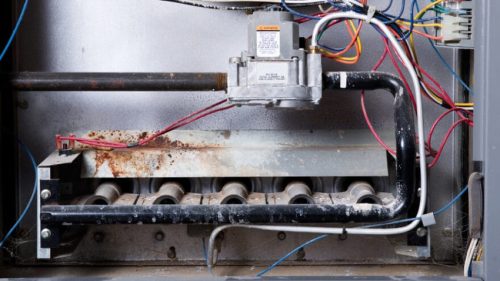
• Watch for soot marking, a persistent burner smell, or melted plastic
• If anything seems off, request a diagnostic
Simple prevention around the equipment and the home
Most winter CO issues come from blocked vents, poor combustion, or running engines indoors. Step outside after storms and clear the PVC intake and exhaust. Keep storage from crowding the furnace so airflow and service access stay open.
Homes with gas fireplaces and water heaters should watch for soot, weak or yellow flames, or new smells. Never warm a vehicle inside an attached garage; CO can drift into living space even with the door open. If a portable generator is ever needed, run it outdoors and far from doors and windows.
If your system uses a heat pump alone, there is no combustion. If you run a hybrid heat pump with a furnace, the furnace still needs regular safety checks. We can set a sensible lockout temperature so the heat pump handles mild weather and the furnace takes deep cold. Learn more here.
What HVAC Zack does on a safety visit
A safety visit confirms that combustion and venting are working as designed. We verify ignition and flame signal, measure temperature rise, inspect the heat-exchanger area for distress, and confirm vent slope and sealed joints. Where required we check draft or pressure and make sure the blower can move the air the system was designed for. You receive a one-page report with model numbers, filter sizes, and settings so any follow up is fast.
We support families across Pickering, Ajax, Whitby, Oshawa, Courtice, and Bowmanville. If you noticed symptoms alongside unusual furnace behaviour or you just want peace of mind for the holidays, book a same-week visit. Request service. For local pages, see Oshawa, Whitby, Ajax, Pickering, and Bowmanville.